
As we close 2025, the Department of Local Services is proud to reflect on the work we accomplished together with our communities. From improving safety and infrastructure to supporting vibrant neighborhoods and responding to emergencies, here are our top 11 highlights of the year.
1. Storm response: protecting communities during record flooding
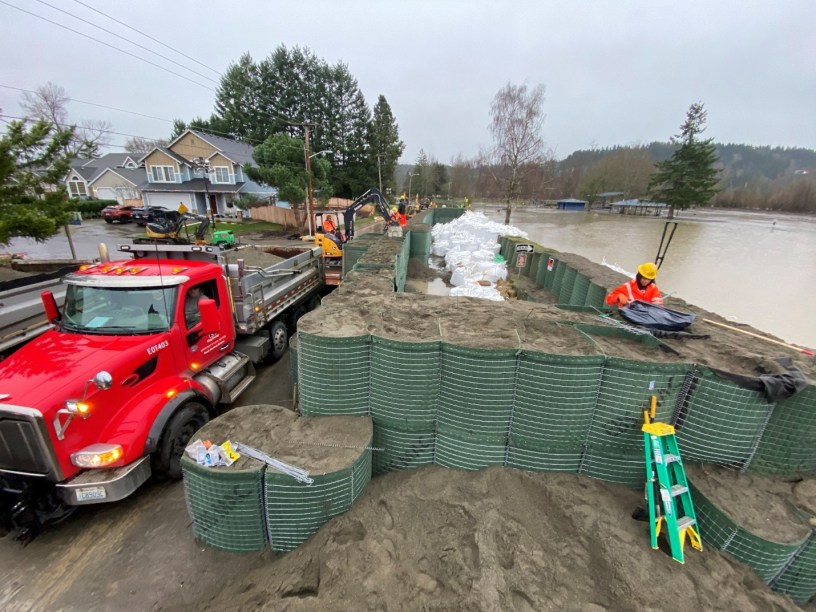
Washington recently experienced a series of storms that caused heavy rain, flooding, and widespread damage. In unincorporated King County, 57 roads were closed due to flooding, slides, and washouts. Most of those roads have reopened, but five are still closed because they require major repairs or stabilization.
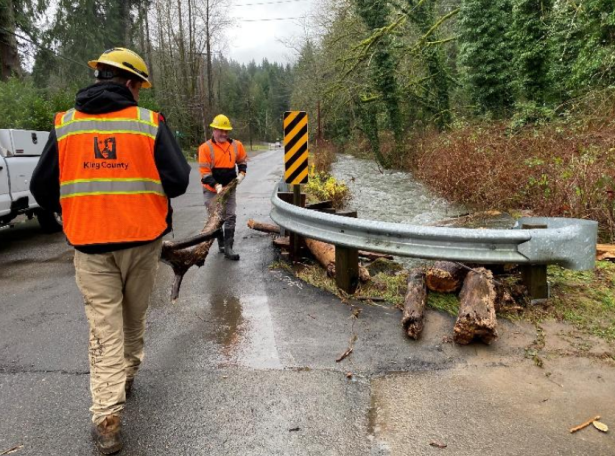
Our Road Services Division worked around the clock to respond. Crews operated in shifts to clear debris, restore access, and protect critical infrastructure. Specialized teams inspected bridges for safety, while other crews jumped into action in the middle of the night to repair broken levees and prevent further flooding. During response and recovery, our Permitting staff supported time sensitive reviews and inspections needed to restore access, utilities and public safety.
This massive effort was possible thanks to strong partnerships. The King County Office of Emergency Management, Department of Natural Resources and Parks, and many cities and agencies provided mutual aid, supplies, and support for residents during this challenging time. Their collaboration helped keep communities safe and connected.
Recovery work continues, and we’ll share updates as repairs progress. Learn more here: Road Services crews protect communities during record flooding – King County Local
2. Safety improvements for 16th Avenue SW in White Center
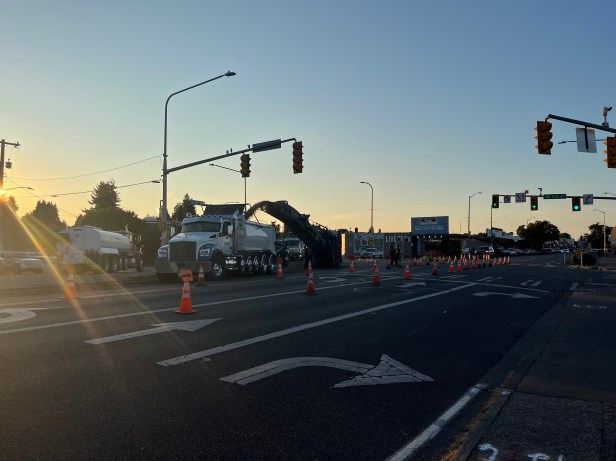
Our Road Services Division made significant safety improvements along the 16th Avenue SW corridor that will benefit everyone who walks, bikes, and drives in White Center. Between SW 100th Street and SW 107th Street, we reconfigured the roadway to have just one traffic lane in each direction. This change helps reduce speeding by slowing traffic and makes crossings safer for pedestrians. We also added a center turn lane, providing a safer space for drivers making left turns while keeping the main travel lanes moving smoothly. In 2026, crews will return to do the following:
- Add a bike lane in each direction
- Build curb extensions at SW 104th and SW 106th streets to make crossing safer
- Install new signs and other safety features between SW 100th and SW 107th streets
- Create more parking spaces
3. Faster permitting: milestones achieved
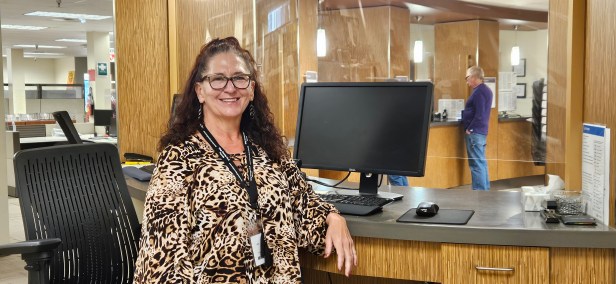
Each year, our Permitting Division issues around 5,000 permits and does nearly 12,000 building inspections. In 2025, driven in part by a 2023 state mandate to shorten permit review timelines, we made big strides to speed up reviews and enhance customer experience.
Here’s what we accomplished:
- New digital plan review software that lets customers receive and track detailed plan corrections and requests for information on a collaborative online platform, making the application review process faster and more transparent.
- New timeline management software for better tracking and faster turnaround of permit applications.
- Customer-friendly resources, including a new series of videos that answer common questions so applicants can navigate the permitting process with confidence. These improvements were implemented while Permitting staff continued to review complex land use and construction permits requiring coordination across multiple technical disciplines and compliance with evolving local and state code requirements.
The state requires local jurisdictions to hit 50-percent compliance with shorter permitting timelines by January 1, 2026. Our team has surpassed that goal, achieving more than 90% compliance. This progress reflects not only faster reviewers, but also more predictable, transparent processes for applicants navigating complex regulatory requirements.
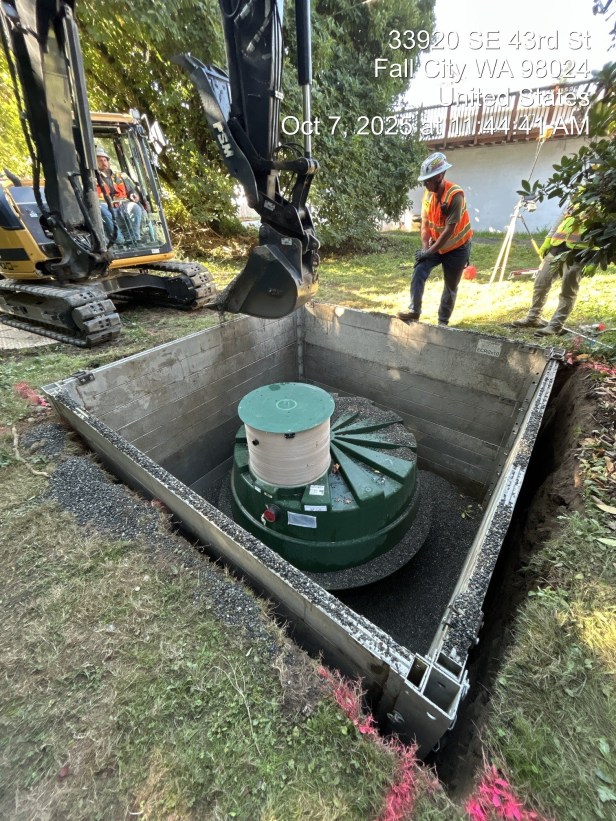
4. Fall City septic project: progressing toward completion
We’ve made significant progress on upgrading the septic system for private properties in the Fall City Business District—a project essential to protecting both local waterways and community health.
In October, the Washington State Department of Health approved the newly installed underground pre-treatment facility and adjoining drainfield. We immediately began replacing outdated septic tanks on 46 private properties in the business district with new tanks. To date, more than 50% of the new tanks have been installed and connected to the treatment plant. This means wastewater from homes and businesses is now flowing into the new tanks and being pumped to the treatment facility for processing. We expect the project to be finished by July 2026.
This project was made possible by a strong partnership with the Fall City Septic Association and local community members and business owners. Learn more on the project website
5. Participatory Budgeting: investing in community priorities
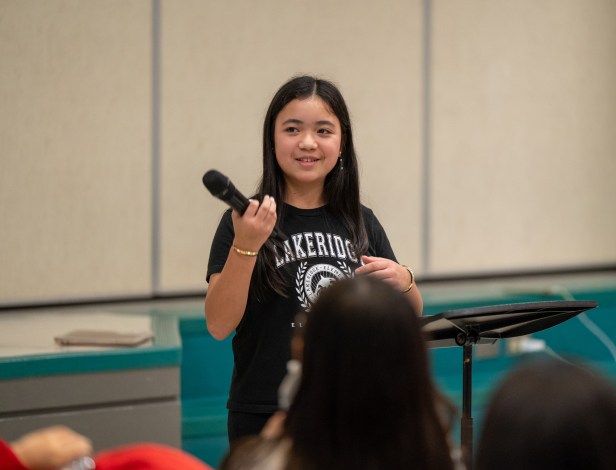
Our Participatory Budgeting program is the ultimate democratic process: it empowers community members to decide how to allocate a portion of public funds in their own neighborhoods. Residents submit ideas for improvements, projects, programs, or services they believe will make a positive impact, and then vote to decide which ideas will be funded.
In 2025, we were proud to see grant recipients make a positive difference in their communities, including Speak with Purpose, a program to amplify the voices of young people in underserved communities, and the Skyway Juneteenth Celebration and Festival.
We also announced new investments that reflect what matters most to our communities, including these two:
- $412,500 for mental health support, community gardens, and youth programs in White Center/North Highline, East Federal Way, and Skyway
- $200,000 for vibrant community events in White Center and North Highline
We continue to strengthen our administrative processes with new dedicated resources so the next round of Participatory Budgeting will be an even greater success. From awards to contracting to project completion, we’re committed to making the experience smoother and more rewarding for our community partners.
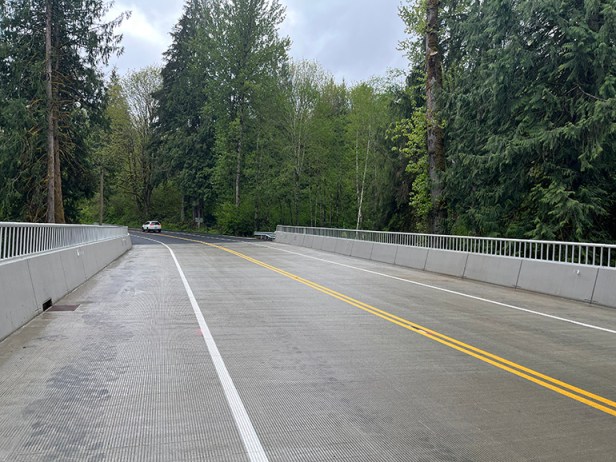
6. A new chapter (and bridge) for Ames Lake
In April, our Road Services Division opened the new Ames Lake Bridge after a 10-month closure to replace a century-old wooden trestle bridge. The new structure on Ames Lake-Carnation Road NE is wider, straighter, and safer, with improved approaches that increase sight distance for drivers and provide an unrestricted crossing for trucks and vehicles of all sizes.
The new bridge, built in the same place as the original bridge, was also designed with the environment in mind. The project minimized impacts on Ames Creek and the surrounding wetlands. And the new span has no weight restrictions, ensuring reliable access for the community.
We deeply appreciate the community’s patience and cooperation as we restored this vital route. Learn more on the King County website.
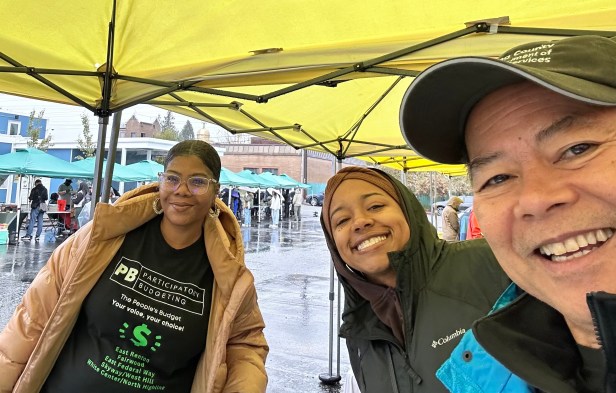
7. Community engagement: Showing up in community
From Vashon Island to the far northeast corner of King County—and many places in between—Local Services team members were on the ground, meeting people where they live. In 2025, we came to more than 350 community events. We listened to residents, learned from their experiences, and partnered to make unincorporated King County stronger and more inclusive.
Our community liaisons hosted more than in-community 4,000 office hours to help people learn more about and connect with their local government. Department leaders joined nearly 130 community meetings and engaged with 38 cities, reinforcing our commitment to collaboration and responsiveness.
Being present isn’t just what we do—it’s who we are. By working side by side with the community, we’re building trust and solving problems.
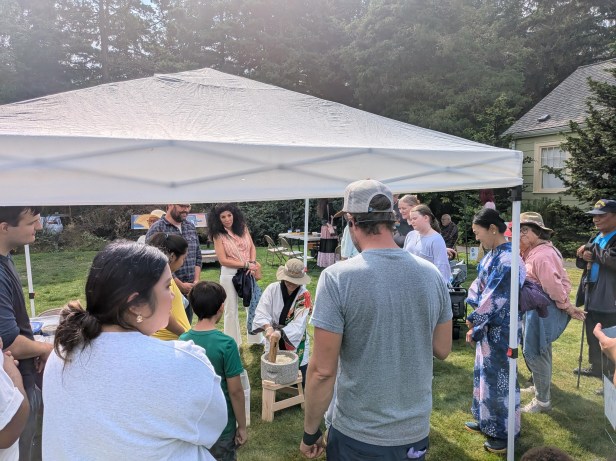
8. Alan M. Painter Grants: $90,000 invested in community
Through the Alan M. Painter Grant Program, we awarded $90,000 to support 50 projects and programs that strengthen neighborhoods and foster community connections across unincorporated King County. This popular program honors the founding director of King County’s Community Service Area program and a long-time public servant.
Since the program began, King County has awarded more than $1 million to community organizations. This year’s grants again support projects across unincorporated King County, including the following:
- Community enhancement and sign projects, such as the design and installation of a “Welcome to Skyway” mural, a new map for the Fall City Metropolitan Park District, and Fall City Days cultural signage
- Community-led planning or training, such as education events to support Sammamish Valley farmers and producers
- Community events, such as the train show in Ravensdale, the Fairwood Night Market, and the Japan Festival at the Mukai Farm and Garden on Vashon Island
- Community support, such as the North Bend Art and Industry scholarship program and emergency essentials at the Family Resource Center at White Center Heights Elementary School
For a full list of recipients, see the grant program website.
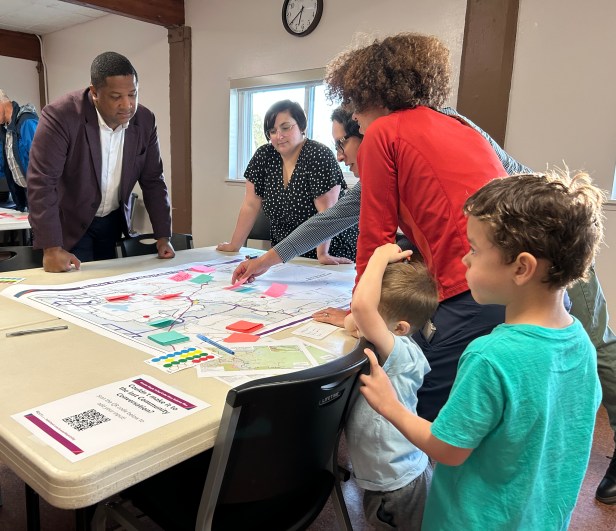
9. Subarea Planning: helping communities develop 20-year visions
Unincorporated areas of King County are governed by the King County Comprehensive Plan and locally specific subarea plans intended to shape the futures of specific communities. This year we worked with communities in the Greater Maple Valley/Cedar River area and in Fairwood to advance planning for those areas.
We hosted a series of Community Conversations in the Greater Maple Valley/Cedar River area (see our public engagement website). And we launched subarea planning in Fairwood, enlisting community members to help guide future growth. From April to October, residents, business owners, service providers, and local leaders shared their priorities, concerns, and hopes for the future of Fairwood. Learn more on the Fairwood public engagement website.https://publicinput.com/fairwood-plan
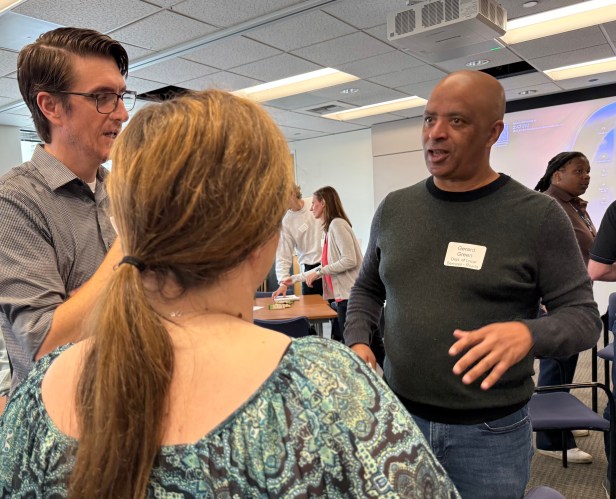
10. Emergency coordination: building partnerships that serve unincorporated King County
In November 2024, a rare “bomb cyclone” battered the Puget Sound region, toppling trees and leaving parts of unincorporated King County without power and essential services for weeks. As the local government for these areas, we play a critical role in letting residents know where to turn for help when disaster strikes.
After the storm, we brought together utility providers and partner agencies that serve unincorporated communities to strengthen communications and coordination during emergencies. Our goal is to create a more resilient response network by building collaboration and planning. These partnerships helped us respond more effectively to community needs during the December 2025 flooding. Learn more: Department of Local Services brings together unincorporated area utility providers to share experiences from ‘bomb cyclone’ and other severe weather – King County Local
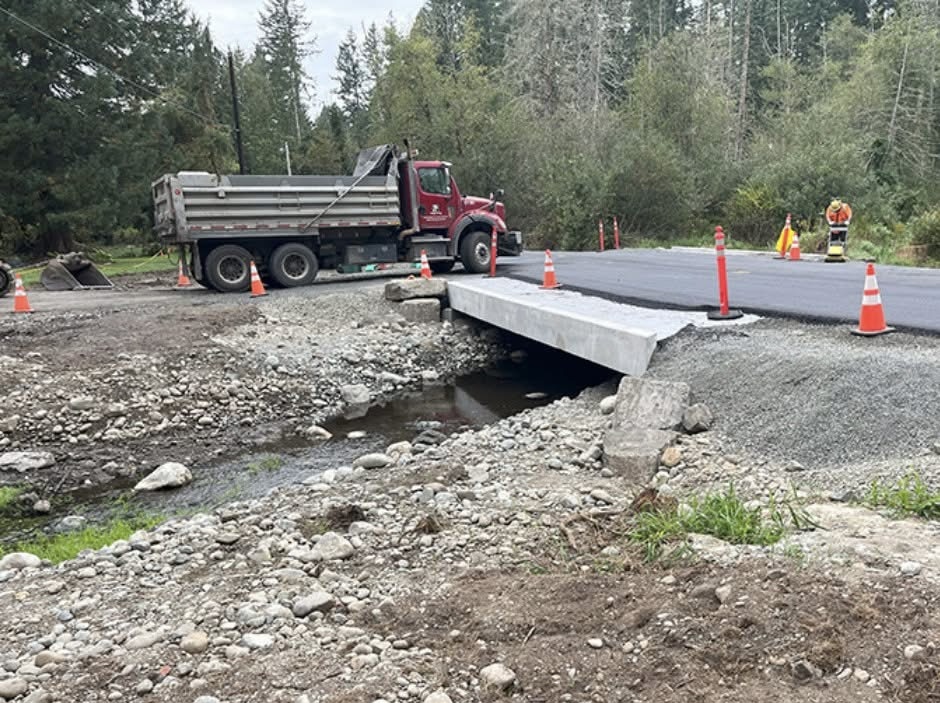
11. Sustainability: taking care of our roads and the environment
Teams across our Road Services Division worked together on several fish passage and drainage projects, including NE 24th Street, SE 384th Street, Sahalee Way NE, 141st Avenue SW, and SE 472nd Street. These projects make roads more resilient, improve storm response, and help fish move freely through streams by removing barriers and restoring wetlands.
In total, these improvements immediately opened 3.4 miles of new habitat for fish. By planning, getting permits, and building these projects, we’re creating healthier streams and stronger communities.
We’re proud of the work we did together with residents, communities, and partners in 2025 to support unincorporated King County. Our efforts reflect our commitment to promote the well-being of the people we serve. As we look ahead to 2026, we remain dedicated to being responsive and ready—and to building well-served communities where residents feel empowered, heard, and supported by us.
 King County Local