
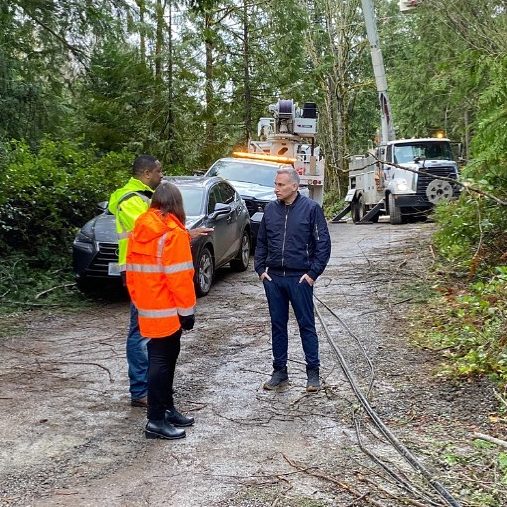
We’re proud of the work we did together with our communities in unincorporated King County in 2024. We broke ground on community-changing projects, maintained and improved safety on county roads, issued permits, helped connect local businesses, provided grant funding to residents and organizations, planned for the future, and much more. Here are some of our top highlights:
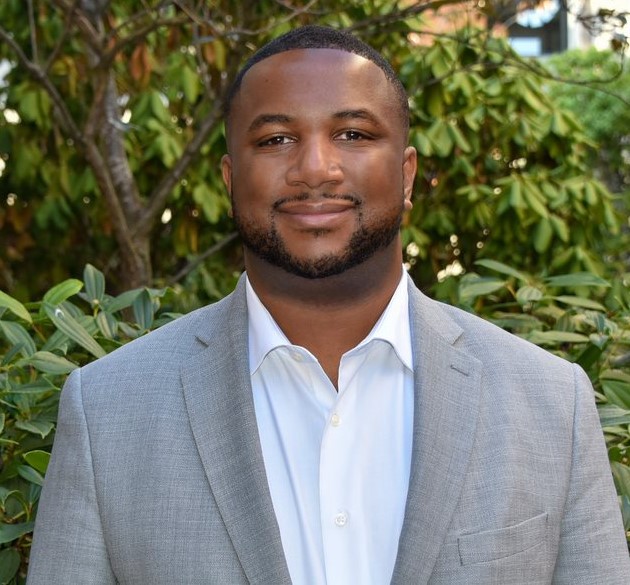
Welcomed new director, Leon Richardson
King County Executive Dow Constantine appointed Leon Richardson as the Department of Local Services’ new director in July. Leon is the department’s second director since we began operations in 2019.
“Leon Richardson brings a wealth of experience convening and leading people to strive toward common goals,” Executive Constantine said. “Now he will lead King County Local Services into its next phase, connecting the quarter-million residents of our unincorporated jurisdiction to their local government.”
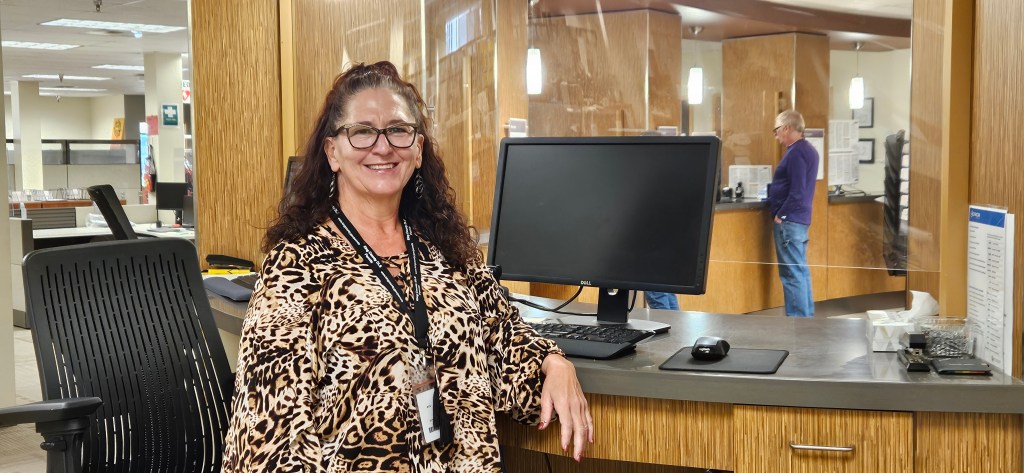
Permitting Division continued its focus on continuous improvement
Our Permitting Division continues to improve how we deliver land use, building, and fire regulatory and operating permits, code enforcement services, and business licenses to the unincorporated areas. Highlights include:
- A new Permit Application Intake Screening Checklist for all application types.
- A new Plats+ Program with the Master Builders of King and Snohomish to create a new optional path forward with plats and short plat applicants.
- More than 16 different continuous improvement initiatives to meet compliance with new state law.
- Updated customer-facing permit application checklists for residential & commercial applications on our website, as well as new videos, infographics, and how-to manuals to submit a successful application.
- Created a staff position and implemented new organizational structure to help with the efficiencies of processing permits in a timely manner.
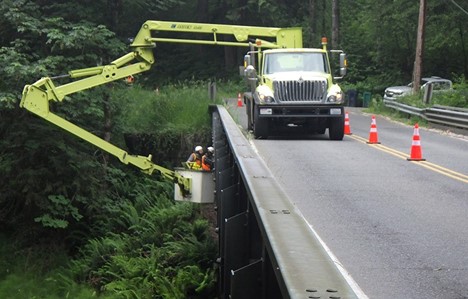
Keeping Roads Safe and Restoring Nature
This year, we worked hard to maintain and improve roads and bridges across unincorporated King CThis year, we worked to maintain and improve roads and bridges across unincorporated King County. Our crews stabilized a slope beneath NE Tolt Hill Road with a new retaining wall, resurfaced a worn-out bridge deck on NE Woodinville Duvall Road, repaired slides on 244th Ave NE near Sammamish and Cunliffe Road SW on Vashon Island, and much more.
When storms hit, we jumped into action—closing and reopening roads, fixing signals and guardrails, and clearing storm debris after events like the November windstorm.
But the work didn’t stop there. Our crews stayed busy year-round, putting in the hard work to keep roads safe and clear.
- 360,000 pounds of trash and debris cleared
- Over 23,000 signs repaired or replaced
- More than 1,000 potholes filled with 1,200+ tons of material
- 3,600+ service requests answered
On top of that, the Road Services Division made great strides in environmental restoration. Just weeks after completing the SE 432nd Fish Passage Restoration project, our crews saw fish return to the area.
We also helped restore the Green River Road natural area – successfully completing the project and handing over the Titus Pit property to the Department of Natural Resources and Parks. This sets the stage for future trail and habitat restoration projects.
It’s been a great year of roadwork, restoration, and resilience!
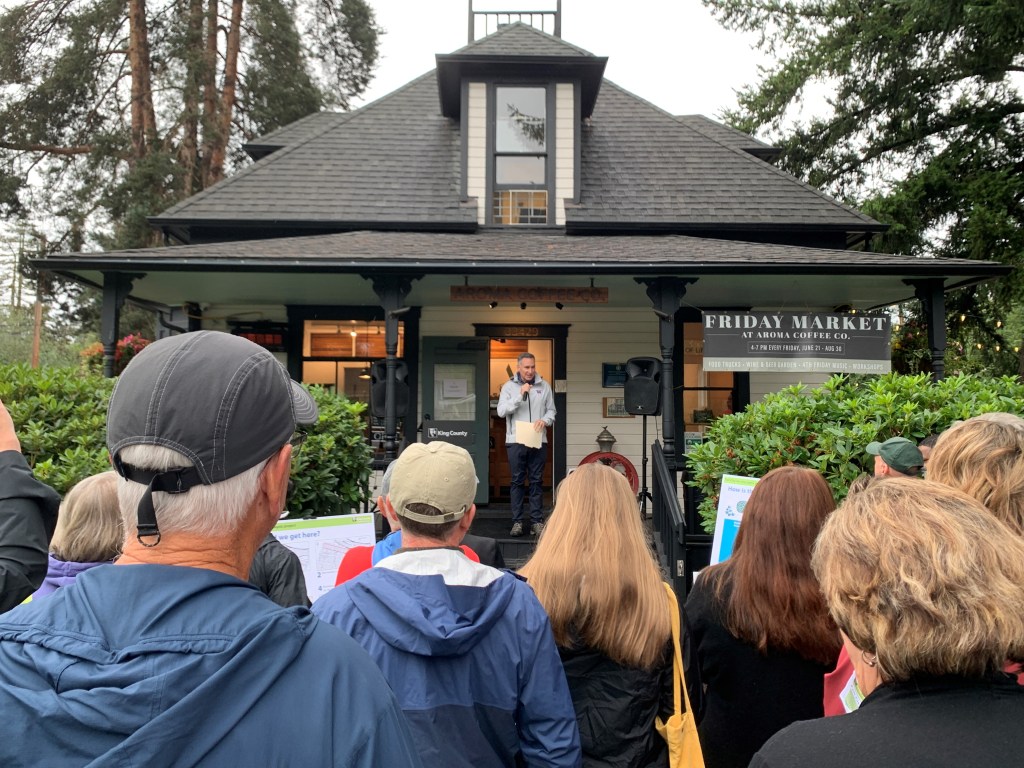
Fall City On-site Septic System reaches construction milestone
In August, Executive Constantine, King County Councilmember Sarah Perry, and community leaders gathered on the steps of Aroma Coffee to celebrate the start of construction on the $10 million Fall City on-site septic system, a project that will transform the economic future of the downtown business district. The system is scheduled for completion in 2026.

Community directs $11.75 million to 40 projects and programs via participatory budgeting
We worked closely with five urban unincorporated communities to complete the second participatory budgeting vote. Local Services staff and community members spent a year and a half establishing the program’s framework, working with community members to solicit and evaluate potential project ideas, and holding community-wide votes to decide which projects would receive funding.
The communities chose to fund more than 40 projects and programs in East Federal Way, East Renton, Fairwood, Skyway/West Hill, and White Center/North Highline—a combined $11.75 million that will build and upgrade a senior center, an elementary school playground, and an aquatic facility; support a local food bank facing increasing demand; and much more. In December, more than 200 people attended a festive ceremony in White Center to celebrate the winners.

Cities and Snoqualmie Indian Tribe joined to build economic vitality
We provided administrative support to the cities of Carnation, Duvall, North Bend, and Snoqualmie, as well as the Snoqualmie Indian Tribe, to help create and facilitate the new Snoqualmie Valley Economic Alliance. The Alliance was formed to bring coordination to economic development throughout these communities and the surrounding unincorporated areas. This historic intergovernmental partnership helps empower the group to pursue opportunities and speak as a collective voice in support of local businesses, business districts, and workers.
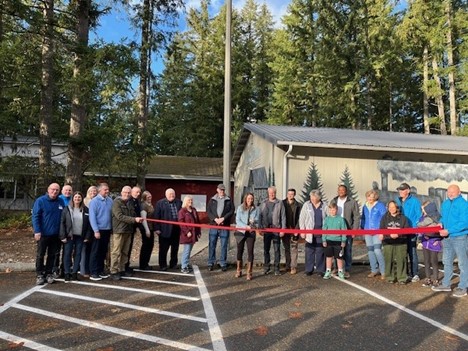
Alan M. Painter Grants funded more than 40 projects and programs
Our annual Alan M. Painter Grant Program provided $90,000 to support more than 40 projects and programs designed to bring neighbors together. The grants were awarded to projects and investments that promote community engagement and enhance communities for all—regardless of race, income, or language spoken. Here are a few of this year’s recipients:
- Nia Fest, which celebrates positive Black culture in Skyway
- A music in the park program in Cottage Lake
- Local farm programs in the Sammamish Valley
- Senior dance classes on Vashon Island
- Several local National Night Out celebrations and local farmer’s markets

King County Council adopted Snoqualmie Valley/Northeast Subarea Plan; planning started for Greater Maple Valley/Cedar River
The King County Council passed the Snoqualmie Valley/Northeast Subarea Plan, a 20-year framework for land use, zoning, and community development in Snoqualmie Valley and Northeast King County. The plan was approved as part of the overall King County Comprehensive Plan. The new subarea plan aims to manage a rural level of growth while preserving the region’s environmental integrity and addressing the needs of rural towns. Key goals of the plan include:
- Preserving Rural Character: Preserving the unique rural character across commercial areas and residential communities in a manner that increases quality of life for residents.
- Environmental Stewardship: Safeguarding critical natural resources, including wetlands, forests, lakes, and the Snoqualmie River.
- Transportation and Accessibility: Supporting transit and transportation options, including active transportation and recreation, consistent with rural levels of service.
- Affordable Housing and Economic Development: Supporting economically and environmentally sustainable local businesses, agricultural industries, and a range of housing choices.
This was a collaborative effort, with extensive community engagement starting in 2021. County staff worked closely with community members to ensure the plan reflected local values and priorities.
We also launched the Greater Maple Valley/Cedar River Subarea Plan project, a process to help guide development and investment in this area for the next 20 years. Our subarea plan team worked with members of the community to develop a vision and policy proposals to help achieve that vision. The goal? Make real, equitable improvements in quality of life for everyone who lives, works, and plays in the area. Our community engagement generated more than 3,200 responses from community members.
Expanded our cultural and language outreach
We made several strides this year toward providing timely and relevant information to communities with diverse cultural backgrounds and language needs. Here are some highlights.
- Hosted a “Local Services Wants to Speak Your Language” event with representatives from nearly 20 language and cultural media outlets that serve the unincorporated areas
- Placed some 60 radio spots, print ads, sponsored stories and other content in 20 cultural and language outlets, with information about the new minimum wage, inclement weather on local roads, and applying for permits and job opportunities at King County
- Worked with Converge Media to produce videos in multiple languages to help communicate the services that Local Services provides
MEDIA CONTACT
Brent Champaco, Department of Local Services, brent.champaco@kingcounty.gov, 206‑477‑9094
 King County Local